Monthly Budget Control Through Safer Bill Payment Habits
Bill payment is a regular part of personal and household finance. Electricity bills, mobile bills, broadband charges, water bills, insurance premiums, credit card bills, rent-related payments, and subscription costs can become difficult to manage when they are not tracked properly.
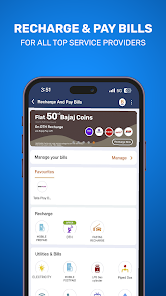
During a temporary cash shortage, some users may consider an instant loan to clear urgent dues. However, this decision should be taken carefully after checking repayment capacity, late fees, available savings, and monthly budget pressure. A better approach is to organise bill due dates, separate essential payments, and avoid repeated borrowing for regular expenses.
Why Bill Payment Planning Matters
Bill payments may look small individually, but together they can take a large part of monthly income. Missing even one important due date can lead to penalties, service interruptions, or extra stress.
A planned bill payment routine can help users:
- Avoid late payment charges
- Maintain service continuity
- Track monthly expenses
- Reduce last-minute payment pressure
- Organise household cash flow
- Avoid duplicate payments
- Keep receipts safely
- Control unnecessary subscriptions
- Plan around salary dates
- Improve financial discipline
Good payment planning is not only about paying on time. It is also about knowing where money is going every month.
Build A Bill Calendar
A bill calendar helps users track every recurring payment in one place. This can be maintained in a notebook, spreadsheet, reminder app, or budgeting tool.
A useful bill calendar should include:
- Bill Name
Mention the bill type, such as electricity, mobile, broadband, insurance, rent, or credit card.
Due Date
Add the exact payment date to avoid late charges.
Expected Amount
Use previous bills to estimate the current month’s amount.
Payment Mode
Mention whether the bill will be paid through UPI, card, net banking, wallet, or auto-debit.
Payment Status
Mark whether the bill is pending, paid, failed, or scheduled.
This simple system can reduce confusion and missed payments.
Separate Essential And Optional Payments
Every payment does not have the same importance. Users should separate essential bills from optional expenses so they can prioritise better during tight months.
Essential payments may include:
- Electricity bill
- Water bill
- Mobile bill
- Internet bill
- Rent or maintenance
- Insurance premium
- School fees
- Loan EMI
- Medical payments
- Credit card minimum due
Optional payments may include:
- Entertainment subscriptions
- Premium memberships
- Extra data packs
- Lifestyle services
- Unused app subscriptions
This separation helps users reduce unnecessary spending when the budget becomes tight.
Track Payment Receipts
Every bill payment should have a record. Receipts are useful when payments fail, billers do not update records, or users need proof of payment later.
Good receipt habits include:
- Download payment receipts
- Save SMS confirmations
- Keep email records
- Note transaction IDs
- Take screenshots when needed
- Create monthly folders
- Match receipts with bank statements
- Track failed payments separately
- Save refund communication
- Keep annual payment records
Receipt tracking can make financial reviews easier at the end of every month.
Review Auto-Debit Settings Carefully
Auto-debit can help users avoid missed due dates, but it should not be ignored after setup. If the linked account has low balance, the payment may fail and create extra charges.
Before using auto-debit, users should check:
- Linked bank account
- Payment date
- Maximum debit amount
- Biller details
- Renewal date
- Failed payment rules
- Cancellation process
- Available balance
- Payment alerts
- Receipt availability
Auto-debit is useful when users still review bills regularly.
Avoid Repeated Borrowing For Bills
Borrowing once during an emergency may help, but repeated borrowing for regular bills can create a cycle of debt. Users should identify why the cash shortage is happening.
Common reasons may include:
- Overspending
- Income delay
- Too many subscriptions
- High credit card usage
- Lack of emergency savings
- Poor due-date tracking
- Multiple EMIs
- Irregular income
- Medical emergency
- Business cash flow gap
If the same issue repeats every month, the solution may be budgeting, cost reduction, or income planning rather than new borrowing.
Create A Bill Payment Reserve
A bill payment reserve is a small amount kept aside only for recurring expenses. This can help users avoid last-minute stress.
Users can build this reserve by:
- Setting aside money after salary
- Keeping bill money in a separate account
- Saving for annual premiums monthly
- Reducing unused subscriptions
- Reviewing spending every week
- Avoiding impulse purchases
- Tracking recurring payments
- Keeping emergency funds separate
- Planning around due dates
- Reviewing reserve balance monthly
Even a small reserve can improve payment discipline.
Use Digital Payments Safely
Digital payment methods make bill payments faster, but users should follow basic safety checks.
Safe payment habits include:
- Use official apps or websites
- Check biller name before paying
- Avoid unknown payment links
- Do not share OTPs
- Confirm the amount before payment
- Use secure internet
- Keep phone lock active
- Save transaction records
- Monitor bank alerts
- Report suspicious activity quickly
Convenience should always be supported by payment safety.
Review Monthly Bill Trends
A monthly bill review can show where expenses are increasing. This helps users reduce waste and plan future payments better.
Users can review:
- Total bill amount paid
- Highest bill category
- Missed due dates
- Late fees paid
- Failed transactions
- Active subscriptions
- Unused services
- Upcoming annual payments
- Seasonal bill increases
- Possible savings areas
This review can turn bill payment into a stronger budgeting habit.
Conclusion
Bill payment becomes easier when users track due dates, separate essential and optional costs, save receipts, review auto-debit settings, and maintain a small reserve. A planned payment routine can reduce late fees and improve monthly budget control.
Before depending on Loans for regular bill payments, users should first check whether better budgeting, expense reduction, or due-date planning can solve the issue. Borrowing should be used carefully and only when repayment is realistic.